

About Spreadshirt
As a print-on-demand service, Spreadshirt removes the traditional barriers to starting a merchandise business. There is no need to purchase inventory upfront, manage a warehouse, or handle shipping logistics. Sellers simply upload their designs, choose which products to offer, and Spreadshirt handles the rest when orders come in.
Available Products
The product catalogue on Spreadshirt typically includes apparel such as t-shirts, hoodies, and tank tops, along with accessories like phone cases, tote bags, and stickers. Many print-on-demand platforms also offer home décor items including canvas prints, posters, mugs, and cushions. This variety gives sellers the flexibility to target different markets and customer preferences with a single design.
How the Process Works
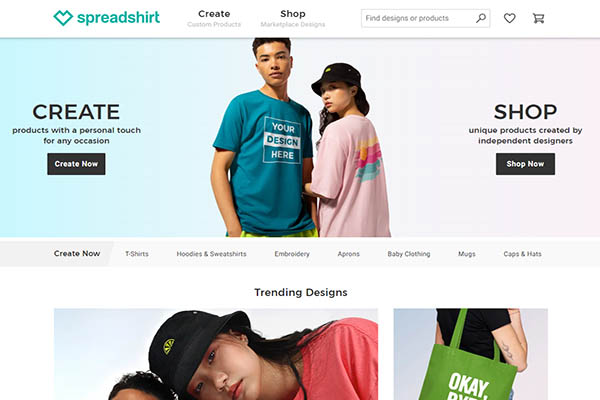
The beauty of Spreadshirt's model is its simplicity. Designers upload high-resolution artwork, choose from a catalogue of blank products, set their desired profit margin, and the store is essentially ready. Product pages are generated automatically, complete with mockup images showing the design on the final product.
Fulfilment is entirely managed by Spreadshirt. Each order triggers production, quality control, packaging, and shipping — all handled by the platform's facilities. This hands-off approach means sellers can scale their product offerings without proportionally increasing their workload.
One of the most appealing aspects of selling through Spreadshirt is the ability to test ideas without financial risk. Traditional retail requires significant upfront investment in inventory, but print-on-demand eliminates this entirely. If a design does not sell, you have lost nothing but the time spent creating it. This freedom to experiment encourages creativity and allows sellers to explore niche markets that would be too risky under a conventional retail model. Over time, this experimentation reveals which designs and niches deliver the best returns.
Strategies for Success
- Price your products competitively. Research what similar items sell for and find a balance between a healthy profit margin and attractive pricing for buyers.
- Monitor your sales data to identify your best-performing designs and double down on similar styles or themes.
- Invest in high-quality, high-resolution artwork. Print quality directly reflects your design quality, and blurry or pixelated prints lead to returns and negative reviews.
- Promote your Spreadshirt store through social media, especially visual platforms like Instagram and Pinterest where your designs can attract attention organically.