

About Kite.ly
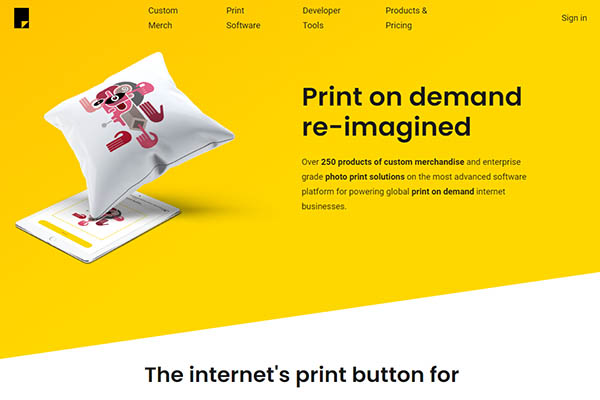
Kite.ly operates on the print-on-demand model, which means products are only manufactured after a customer places an order. This eliminates the financial risk of unsold inventory and makes it accessible for anyone — from hobbyist designers to established brands — to offer a range of custom products.
Product Range and Capabilities
One of the strengths of Kite.ly is its product diversity. Sellers can apply their designs across multiple product categories — apparel, accessories, stationery, home goods, and more. This cross-category approach means a single popular design can generate revenue from numerous product types simultaneously.
How the Process Works
Selling on Kite.ly follows a simple process. You create and upload your artwork, determine which products will carry your designs, configure your pricing, and the listings go live. Most platforms provide design tools or templates to help ensure your artwork meets printing specifications.
Once an order is placed, the print-on-demand machinery takes over. Kite.ly prints your design on the product, ensures quality standards are met, and ships the finished item to the customer. You earn the difference between the retail price and the base production cost, with no need to invest in materials or equipment.
Building a recognisable brand on Kite.ly can set you apart from the thousands of other sellers on the platform. Consider developing a consistent visual style, creating a compelling shop description, and curating your product offerings around specific themes or audiences. Buyers are more likely to return to a shop that feels cohesive and professional than one with a scattered, unfocused catalogue. Brand building takes time, but the long-term benefits — repeat customers, word-of-mouth referrals, and stronger search visibility — make it well worth the investment.
Strategies for Success
- Keep uploading new designs consistently. Active shops with regularly updated catalogues tend to receive more visibility from the platform's algorithms.
- Monitor your sales data to identify your best-performing designs and double down on similar styles or themes.
- Write compelling product titles and descriptions with relevant keywords. This helps your products appear in both on-platform and external search results.
- Engage with the Kite.ly community and learn from other successful sellers. Many platforms have forums, groups, or creator resources that share valuable insights.